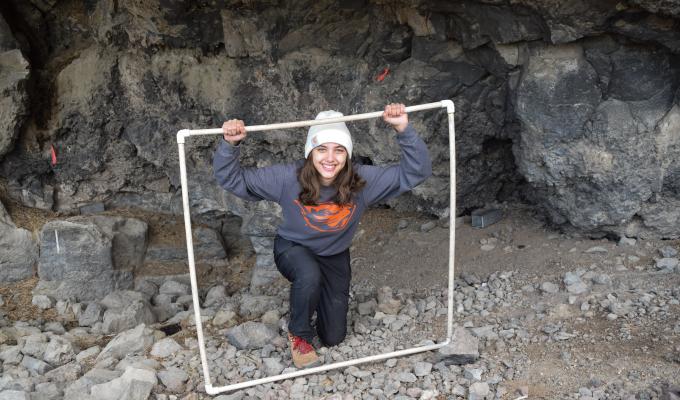
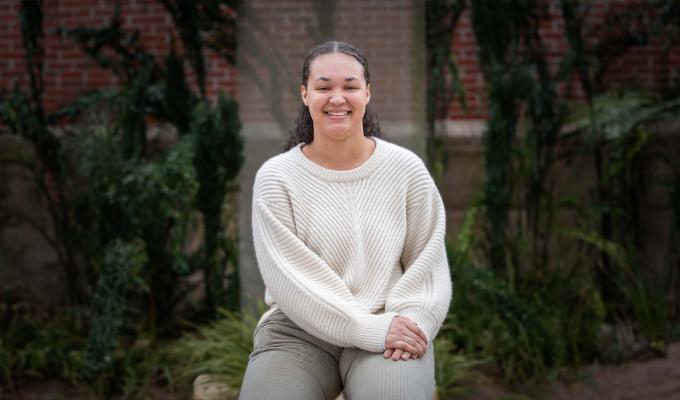
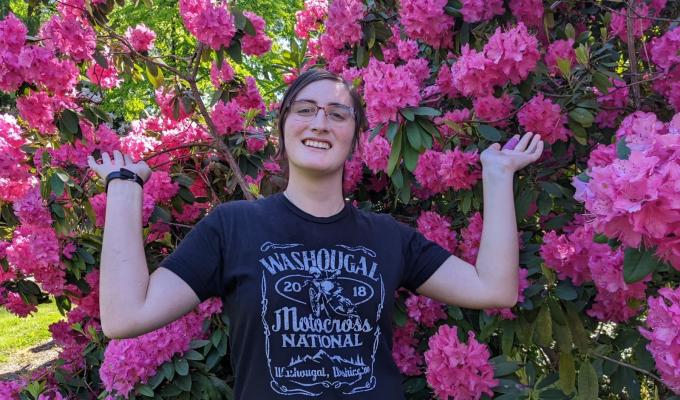
Samantha Crockett's journey from a struggling college student to a thriving zoology graduate is a testament to the transformative power of online education. Faced with isolation and academic disillusionment, she found her stride at Oregon State University's Ecampus program, where supportive professors and flexible learning opportunities reignited her passion for zoology.
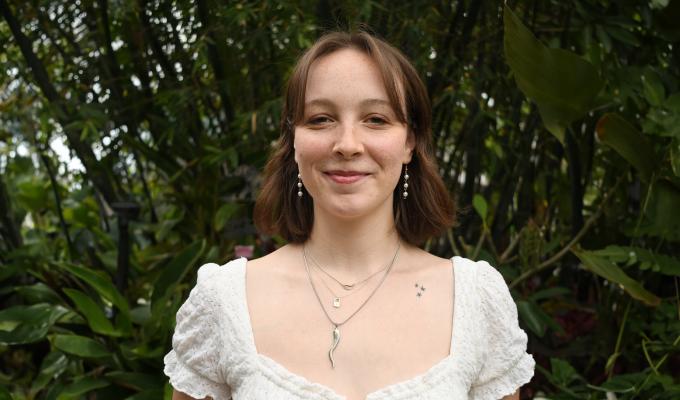
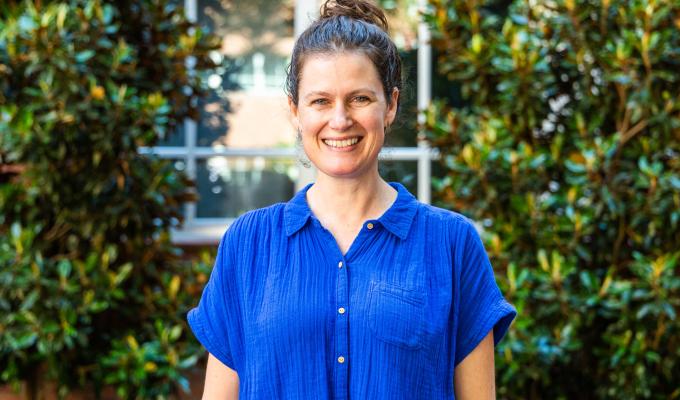
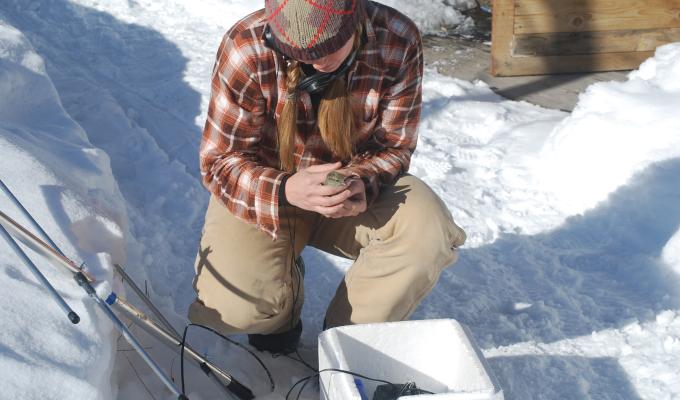
Manon Vezinet spent last summer working with the Cornelius Laboratory, led by Integrative Biology Assistant Professor Jamie Cornelius, studying how increased frequency of unfavorable weather events affects nestling growth. Because of the SURE program, Summer Undergraduate Research Experience, Vezinet was able to experience the once-in-a lifetime opportunity to conduct undergraduate field research and get paid to do it.
When it comes to healing cats and dogs in a sunny California beach town, emergency veterinarian Karianna Crowder ‘17 is up to the task.
“I was drawn to the sciences and less so to agriculture my whole life. When it comes to wanting to be a small animal veterinarian, I wanted to focus more on the science behind it,” Crowder said.
Three years after the release of “Dune,” a film adaptation of Frank Herbert’s epic 1965 sci-fi novel, “Dune: Part Two” is reigniting the public’s fascination with sandy environs and humanity’s efforts to reshape them.
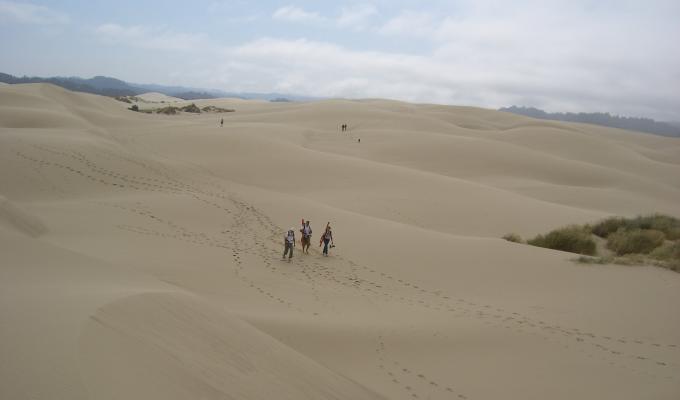
Sally Hacker, a professor of integrative biology in the College of Science, is working with the Oregon departments of Parks and Recreation and Land Conservation and Development to create guidebooks for coastal dune management based on the best available science.
As children, most of us were asked what we wanted to be when we grew up. Quipping dreams of ballerinas, firefighters, doctors or mythical characters — how many of us actually pursued them? Camrie Smith always said she wanted to work with animals. And it stuck.
Achieving equity in science requires openness to challenging conversations and acknowledging that all disciplines have a history of exclusionary behavior. How do you change decades of behavior in science? Kirsten Grorud-Colvert will address this question at the 2023 College of Science Inclusive Excellence Lecture, “Inclusive Science: Gathering community for dialogue and action.”
Every student deserves hands-on research opportunities. But how can that be a reality with limitations on time and available faculty?
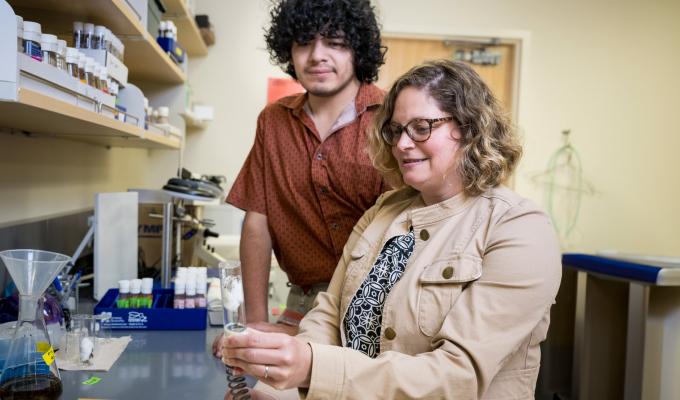
Alysia Vrailas-Mortimer, College of Science associate professor and principal investigator with the Linus Pauling Institute, and her colleagues in the Fly-CURE consortium stumbled upon a solution they hope to expand across the U.S.
Being a Beaver has stretched Ebunoluwa Morakinyo to develop her passions inside and outside of the lab. A senior honors biochemistry and molecular biology student at Oregon State, her time on campus has included celebrating her culture while looking forward to a career dedicated to helping others.
Many people grow up with a fear of bugs, and above all else, a fear of spiders. Oregon State biology senior Catherine Raffin was just the same. The sight of eight spindly legs and a pair of fangs made her skin crawl, so she did the only logical thing: purchased a pet tarantula. “From a young age I was always morbidly fascinated with the insects everybody fears,” she said. “I thought it was crazy how something so small can be so terrifying.”
Assistant Professor Jamie Cornelius received a coveted National Science Foundation Faculty Early Career Development (CAREER) award to measure the energy and fitness costs of metabolic and behavioral strategies used by songbirds during inclement weather.