Finding and Funding Undergraduate Research Positions

Finding and Funding Undergraduate Research Positions

Getting started

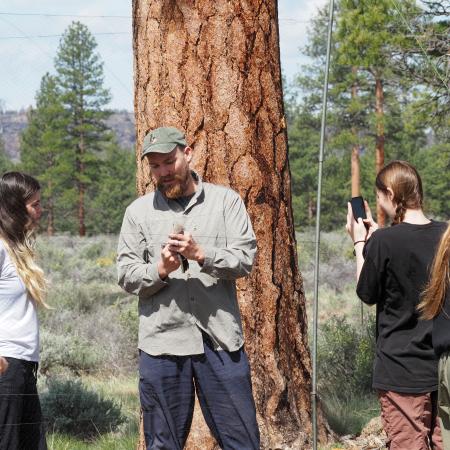
Students should not assume they need experience to engage in research. The majority of positions for undergraduates are initially created when mentors are approached by interested students who they subsequently train. Research positions frequently begin with volunteering, but some funded opportunities are outlined below. Any opportunities the Department of Integrative Biology team is actively aware of are posted on the biology and zoology majors listserv. Some OSU research experiences can be approved for BI 401 Research credits.
Finding research mentors

Develop a list of possible mentors

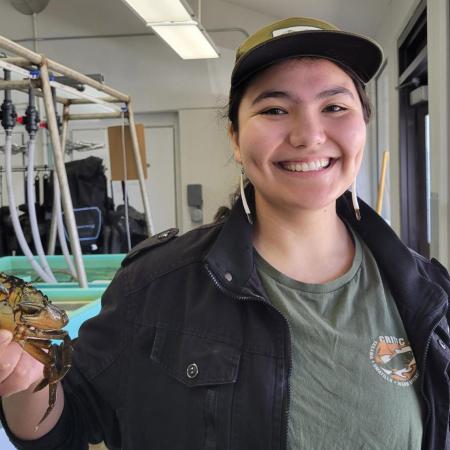
There is no central list of research mentors or opportunities, thought the Office of Undergraduate Research and this website highlight a number of resources. Interested students should plan to apply for opportunities of interest while actively searching for potential mentors and opportunities that may not ever be listed as part of any program. Faculty research interests are listed on all department or program pages at OSU. It is best to cast a wide net when looking for an initial experience, and students can be involved in research in any academic unit at OSU. Approaches to intially finding mentors include:

  • Participate in Office of Undergraduate Research workshops to learn about approaches to connecting to research mentors and opportunities.
  • Most students do not find research with folks they already know, but you can start by talking to teaching assistants (graduate student TAs) and professors about their research to see if there are connections to be made.
  • Look broadly at OSU life science research units at the bottom of this page as you can do research in any academic unit at OSU. Look for "faculty" or "research" sections of websites, like the Integrative Biology research page. Review the research pages of faculty in order to create a list of faculty that are engaged in interesting work.
  • The URSA Engage program works to match first- and second-year students and first-year transfer students with research mentors at OSU.
  • The Office of Undergraduate Research lists a limited number of research opportunities with faculty mentors.
  • A limited number of OSU student jobs include research duties.

Contact mentors you are interested in working with

Emails or meetings with mentors are professional interactions similar to job interviews. The best approach is to contact faculty or graduate students directly to see if you can set up a meeting to discuss volunteering.

  • Do not send blanket emails. Address each professor or graduate student individually and try to set up a meeting.
  • Unless positions are advertised, students should propose volunteering. Volunteering can lead to paid positions.
  • Students are not expected to have experience. If you do have experience, let them know about it.
  • Students are not expected to work many hours when volunteering. Be honest about what you can commit to, and different labs will have varied needs.
  • It can be a good idea to put together a resume to attach to your email, and you can work with the Career Development Center to review or develop one.
  • You should wait at least a week before you expect a response to emails. If you do not hear back from a faculty member you can stop by and talk to them about your message or politely follow up by email.

OSU life sciences research units

There is no way to capture all of the research interests of faculty across the campus, but the list below is meant to be a good starting place for looking for faculty mentors. Students should look up "faculty" or "research" areas of the unit websites most appropriate to their area(s) of interest below. It is a good idea to cast a wide net when looking for initial opportunities.

Funding your research with competitive programs

Many students engage in undergraduate research with a mentor they network with and then apply for research funding afterward with their help. OSU programs outlined below range in their requirements and competitiveness. Regionally and nationally funded programs (REUs and others) are more competitive and frequently require previous experience and solid academics. See the lists of OSU, regional and national opportunities below for details.

Recognizing your research

Credit can be awarded to biology or zoology students involved in academically relevant research with OSU faculty. Research credit is not required. Students who elect to seek credit incur regular tuition costs, and students are assigned credit based the number of hours they are involved with a project.